

SMU said that in the past five years, just under 10% of the SMU undergraduates go on leave-of-absence (LOA) each year on average. Taking a LOA is a relatively common option for students who need to step away temporarily from their studies. Most LOA applications come with valid reasons and are generally approved. Students are required to provide valid reasons and relevant supporting documentation as part of their application. The common grounds include: internship; medical or health-related conditions; family or personal circumstances. National athletes who need to take LOA for training and competitions would also be supported. While these categories represent the most common grounds for approval, there are also who pursue professional opportunities, such as additional internships or employment. Such requests are considered on a case-by-case basis and are generally less common compared to the reasons above.
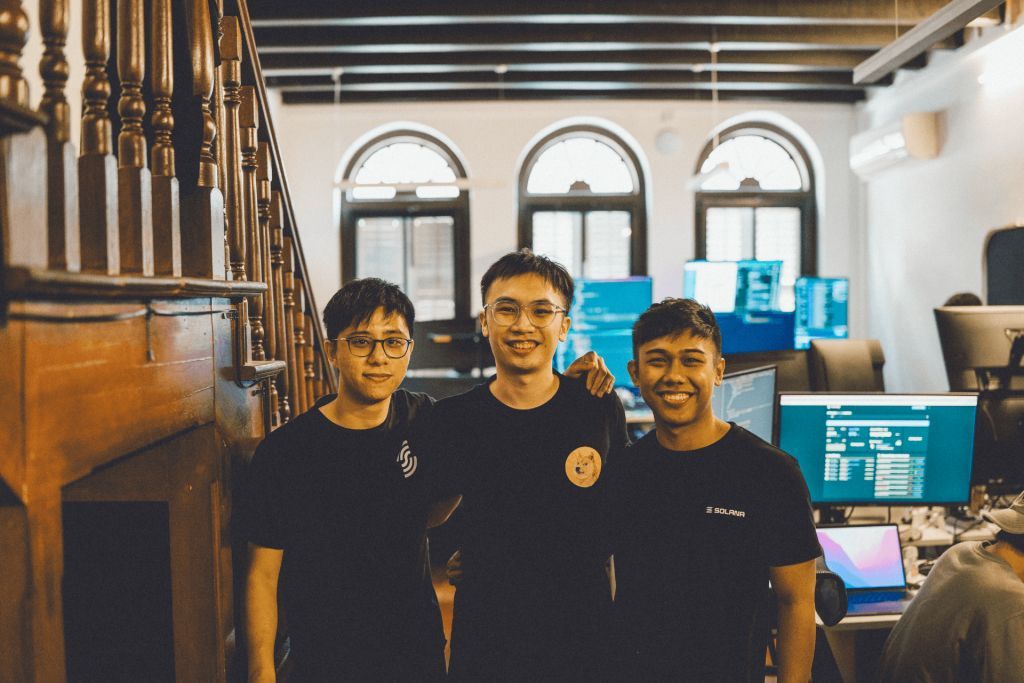
SMU alumnus Nicholas Chen, a graduate of SMU’s School of Computing and Information Systems (SCIS) , co-founded the blockchain data platform SolanaFM in 2021 with two classmates while pursuing his undergraduate degree. Nicholas highlighted that taking a gap year is ultimately an assessment of opportunity cost, noting that one's mid-20s is a final stage in life where people do not have residual responsibility. He now serves as the Vice President of JupNet, an omnichain liquidity network operating under Jupiter.
First-year SCIS student Loh Kar Wei has taken a total of three years of LOA; two before entering university to develop a cybersecurity business and an additional year during university to launch her startup, Hexcore Labs. For Kar Wei, taking an LOA is simply a continuation of her entrepreneurial journey, as she believes that delivering products and facing real-world market demands offers a profound form of education outside the classroom. She views taking time off from formal studies not as pausing her education, but as changing the environment in which she learns.