
Research Focus Areas
As a computing school in Singapore Management University, our research is uniquely defined by the twin emphasis of Academic Scholarship in Computing Technology and Practice Scholarship in Solution Development.
Our Academic Scholarships are directed to 3 selected areas, mainly Artificial Intelligence and Data Science, Human-Machine Collaborative Systems, and Information Systems and Technology.
At the same time, we need to go beyond technology creation in order to achieve practical impact.
We emphasise solution development which entails integrating different technologies, integrating with business models and processes, addressing usability, deployment and product management concerns, aligning with local ethical norms as well as legal and regulatory frameworks and ultimately, fulfilling user and organisational needs.
That is what we mean by Practice Scholarship.
The application areas that we direct our Practice Scholarship to are: Learning & Work, Urban & Sustainability, Health & Wellbeing, and Safety, Security & Fairness.
CORE RESEARCH AREAS
Create Computing Technology and Systems
Artificial Intelligence & Data Science



Human-Machine Collaborative Systems
Information Systems & Technology


INTEGRATIVE RESEARCH AREAS
Digital Transformation in Action
Learning & Work
- Future of Work
- Next Generation IT Practices
Urban & Sustainability
- Urban Mobility & Smart Environment
- Urban Logistics & Sustainability
- Crowd Management
- Homeland Security
Health & Well-being
- Ageing & Mental Health
- Biomedical Informatics
- Lifestyle & Wellness
- Social Analytics
Safety, Security & Fairness
- Trustworthiness of Digital Platforms & Devices
- Misinformation & Disinformation
- Privacy-Preserving Data Sharing & Analytics
- Security & Governance of Software/AI Systems
Centres, Labs & Initiatives

Formally known as Secure Mobile Centre, the Centre on Security, Mobile Applications and Cryptography conducts research on the following areas:
- Systems and mobile security
- Software and data security
- Cryptography and cloud security
- Digital platforms device security
- Program analysis and blockchain

Research Programmes
- Collaborative, Robust and Explainable AI-based Decision Making Lab
- Fujitsu-SMU Urban Computing & Engineering (UNiCEN) Corp. Lab
- Living Analytics Research Centre
- LiveLabs Urban Lifestyle Innovation Platform
- Pinnacle Lab
- SMU-A*STAR Joint Lab in Social and Human-Centered Computing
Practice and Outreach Programmes
Research Awards and Achievements
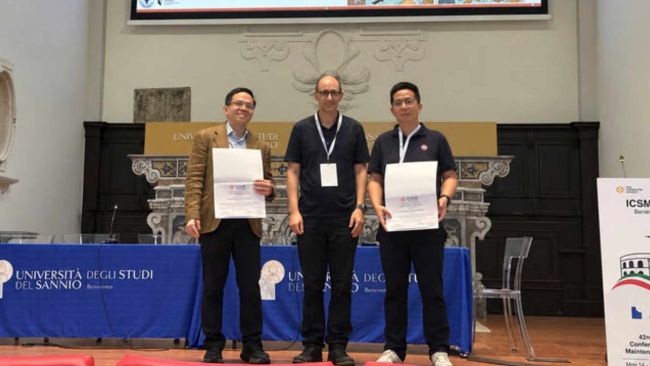
et al. at the 42nd IEEE International Conference on Software Maintenance and Evolution (ICSME 2026) for the paper, “"Automated debugging considered harmful" considered harmful: A user study revisiting the usefulness of spectra-based fault localization techniques with professionals using real bugs from large systems”.


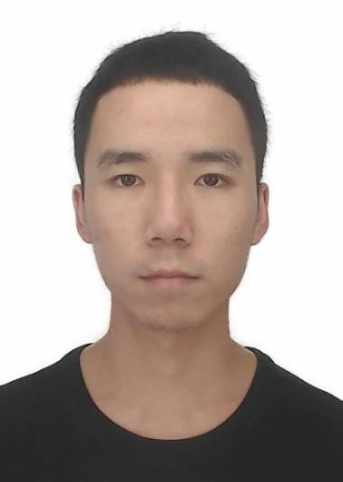

et al. at the 35th ACM SIGSOFT International Symposium on Software Testing and Analysis (ISSTA 2026), for the paper, “Characterizing and Repairing Obsolete Android GUI Tests under UI Evolution”



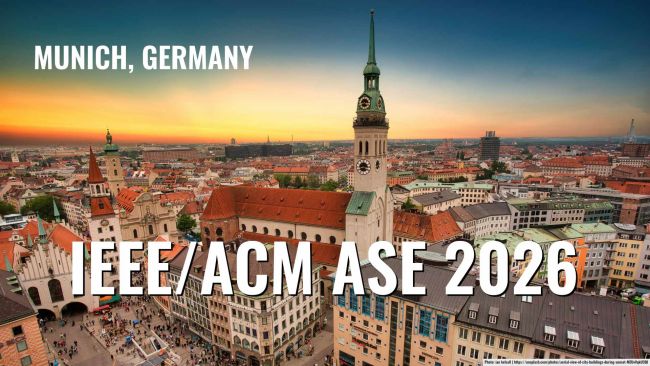
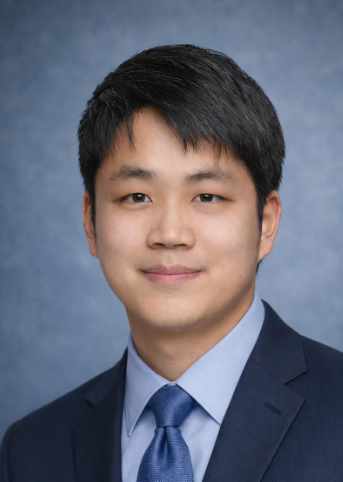
et al. at the 41st IEEE/ACM International Conference on Automated Software Engineering (ASE 2026), for the paper, “A11YRepair: Bridging Web Accessibility Barriers via Knowledge-Enhanced Divide-and-Conquer Repair”